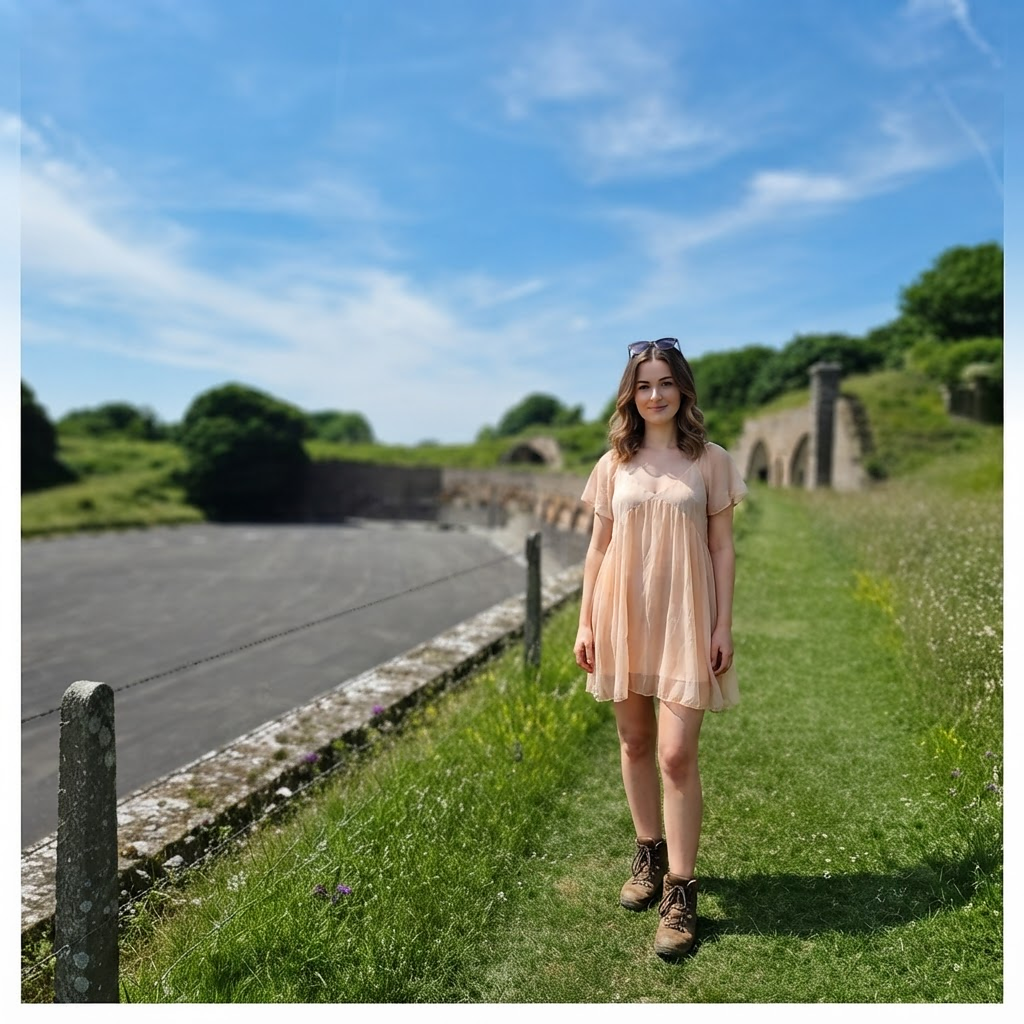
On Friday I had the pleasure of taking part in the Introduction to Botany Identification Workshop at Fort Burgoyne, delivered by the fantastic Green Angels team, part of The Land Trust. It proved to be one of those days that reminds you just how much there is still to learn when we simply slow down and take notice.
A Fort with a Story to Tell
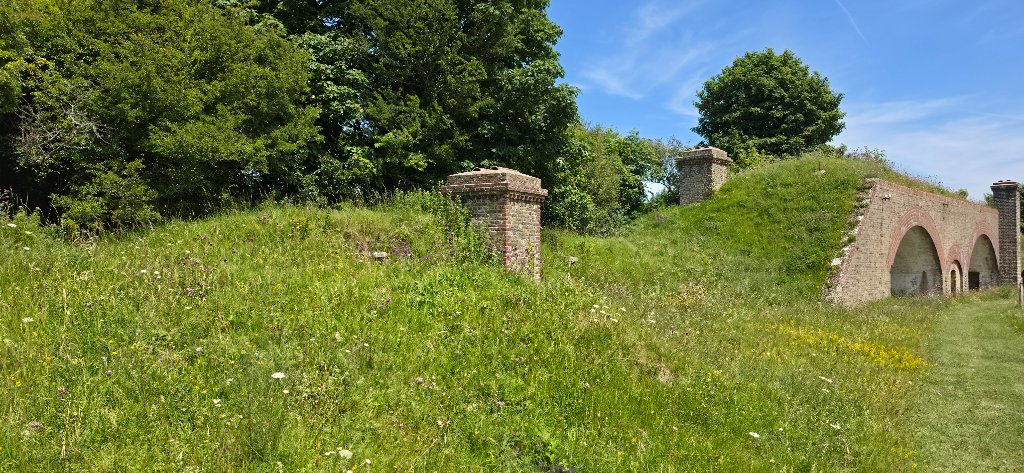
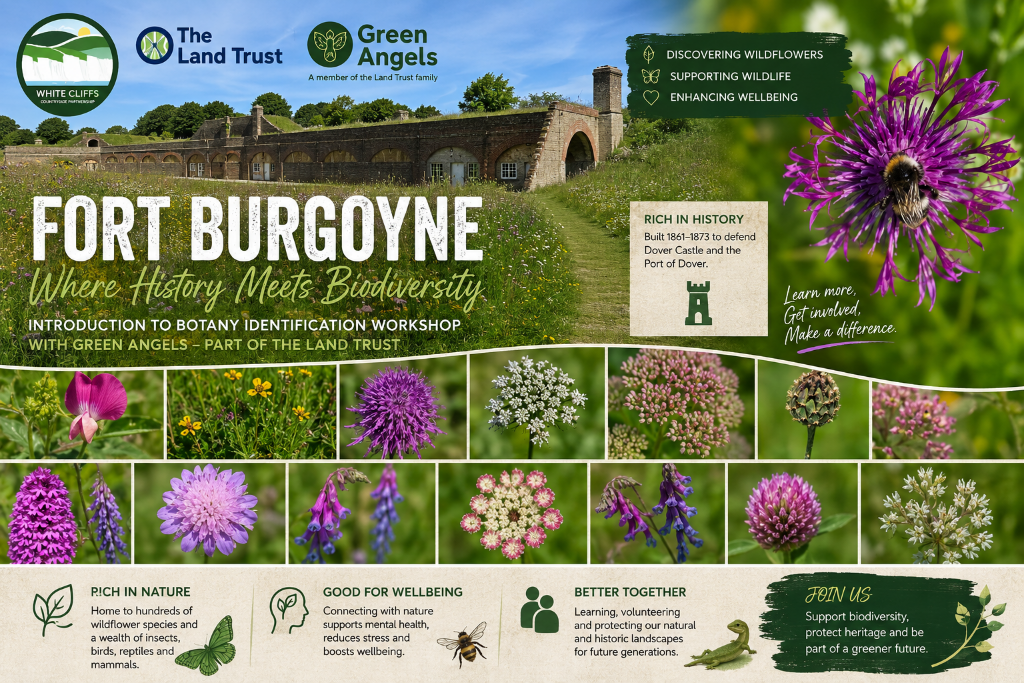
Perched on the hillside immediately behind Dover Castle, Fort Burgoyne is one of Kent's hidden gems. Originally constructed between 1861 and 1873 as part of Britain's Victorian coastal defences, the fort was designed to protect Dover Castle and the strategically important Port of Dover from attack from higher ground. Named after Field Marshal Sir John Fox Burgoyne, it later served through both World Wars before military requirements changed and the site gradually fell into disuse.
Today, thanks to the vision of The Land Trust and its partners, this remarkable historic monument is being transformed into a place where history, wildlife, education and community come together.
Where History Meets Biodiversity
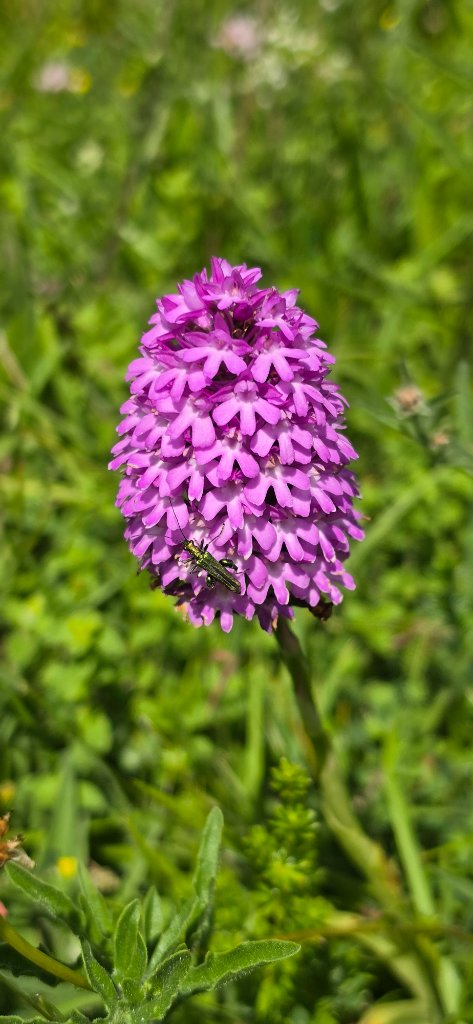
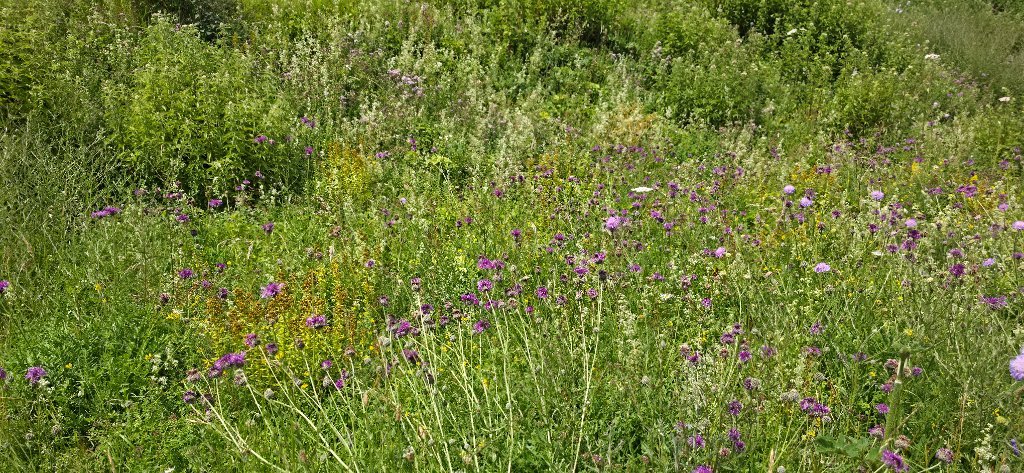
What makes Fort Burgoyne truly unique is that alongside its rich military heritage sits an extraordinary landscape bursting with biodiversity. Ancient earthworks, chalk grassland, woodland edges and sheltered slopes have created the perfect conditions for an astonishing variety of wildflowers to flourish.
After a short classroom introduction, we headed out across the site armed with identification guides, notebooks and plenty of curiosity. It didn't take long before every few metres revealed another species that many of us had probably walked past countless times without ever recognising.
22 Species and Counting
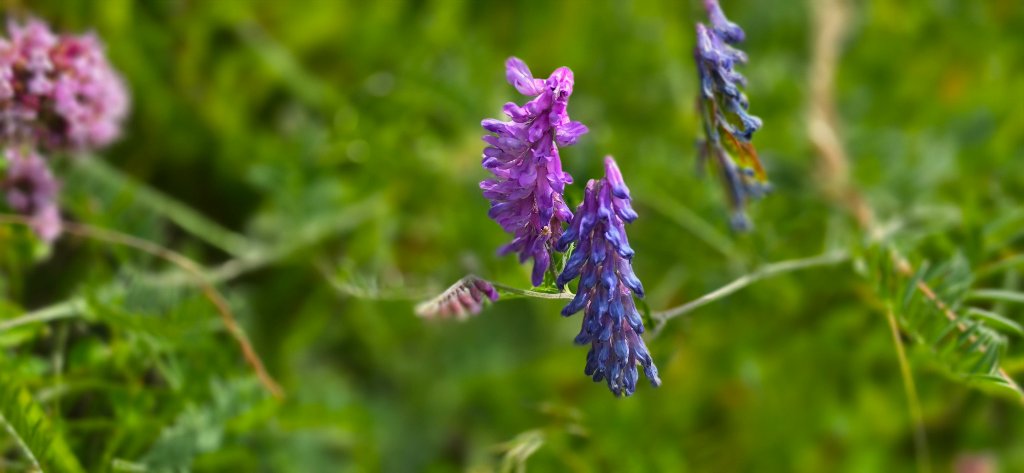
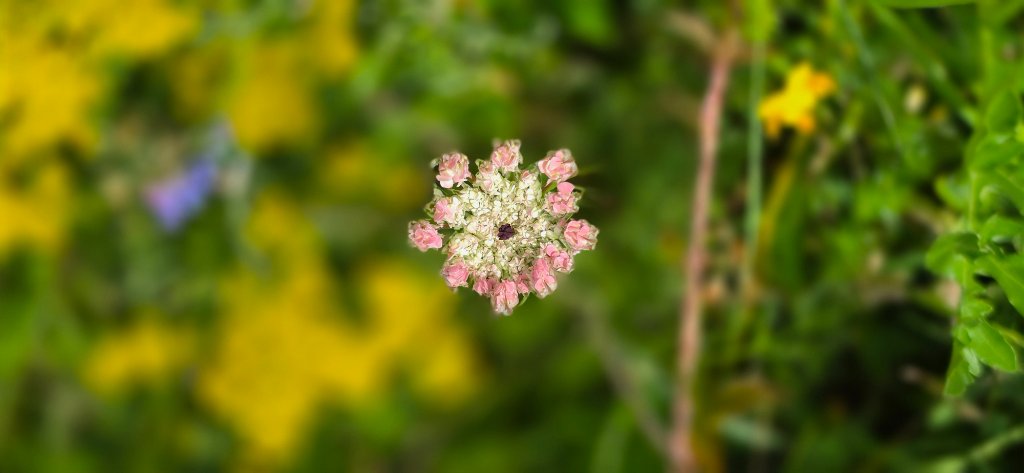
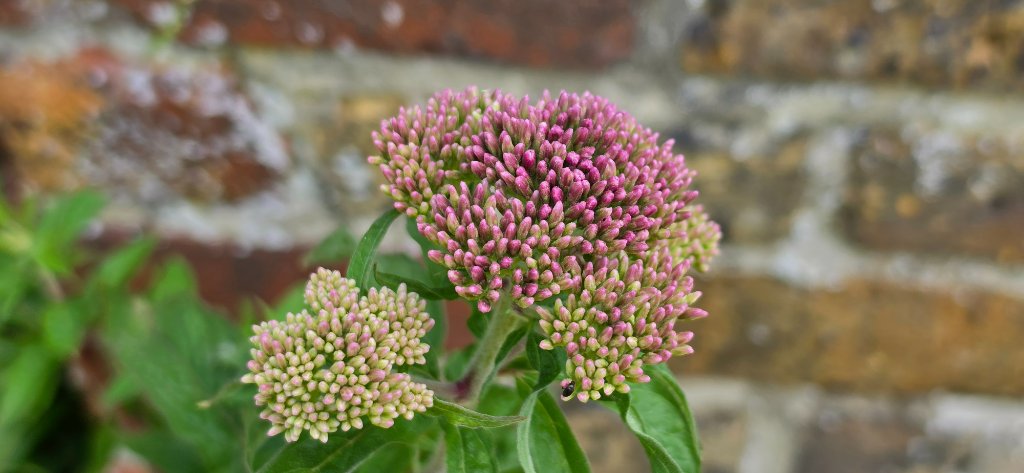
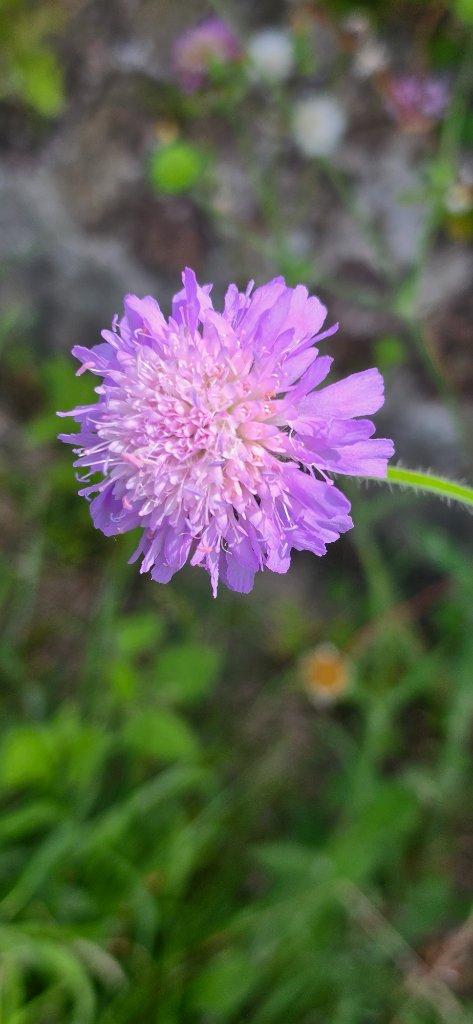
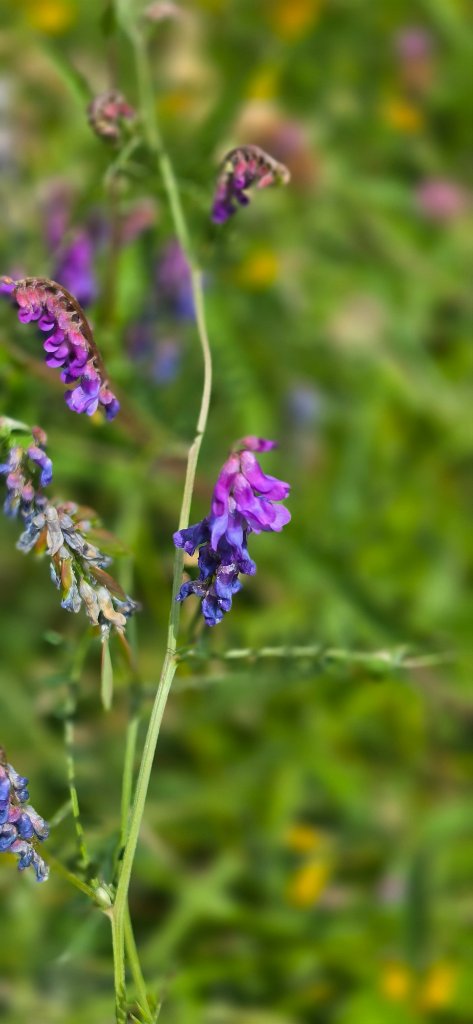
Amongst the plants we identified were:
And that list barely scratches the surface.
Life Follows the Flowers
Where there are healthy wildflower populations, life follows. Throughout the afternoon the site was buzzing with bees, butterflies, hoverflies and countless other pollinating insects. We spotted birds feeding across the grassland, while the fort is also recognised as an important habitat for reptiles such as slow worms and common lizards, together with several bat species. It is a wonderful demonstration of how even a former military stronghold can evolve into an incredibly valuable haven for nature.
More Than Just Plants
For me, however, days like this offer something else that often gets overlooked. They provide the opportunity to completely switch off.
There are no emails demanding attention, no phones constantly ringing and no deadlines to worry about. Instead, your focus narrows to the tiny details: the shape of a flower, the texture of a leaf, the sound of bees moving between blossoms or the buzzards soaring overhead. It becomes surprisingly mindful without ever trying to be.
There is now a growing body of evidence showing that spending time in nature can help reduce stress, improve concentration, lower anxiety and boost overall wellbeing. Sometimes the best therapy doesn't involve four walls at all — it starts with a pair of walking boots and a little curiosity.
Reconnecting for the Future
Courses like these also remind us that conservation isn't only about protecting rare species. It's about helping people reconnect with the natural world, understand why these habitats matter, and inspire the next generation to value them.
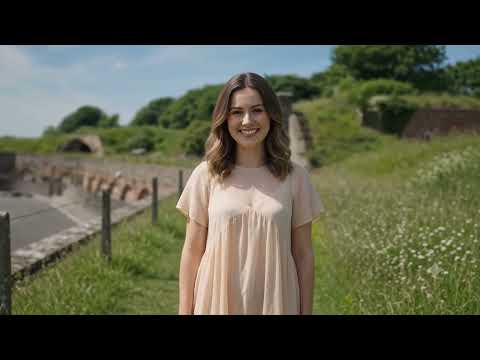
Watch: Hiking with Sophie — Fort Burgoyne Botany Workshop
📍 Location: Fort Burgoyne Road, Guston, Dover, Kent CT15 5FN
♿ Access: Main fort building generally closed to the public except for organised events and workshops — check The Land Trust for upcoming dates
🐕 Dog friendly: Yes, on the grassland trails
If you've never visited Fort Burgoyne, I'd highly recommend adding it to your list. It's one of those rare places where centuries of history and an incredible abundance of wildlife exist side by side, overlooking one of the most iconic stretches of coastline in Britain.