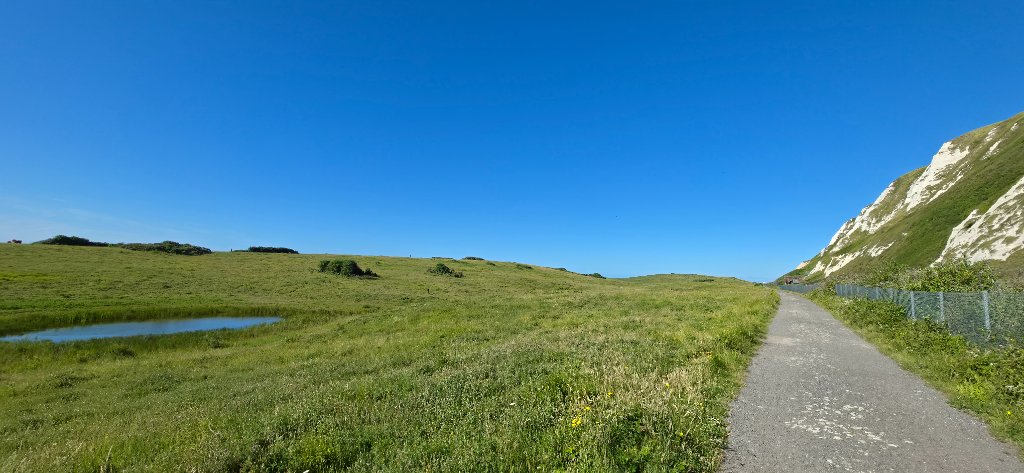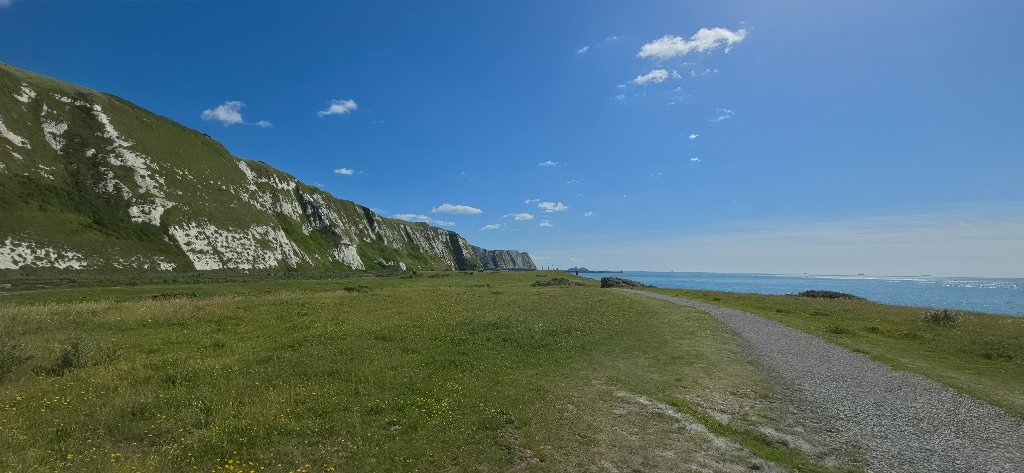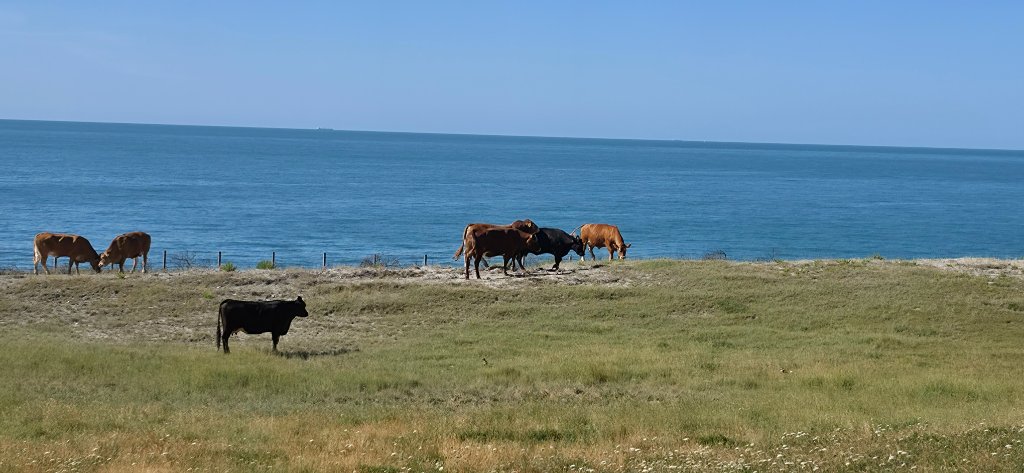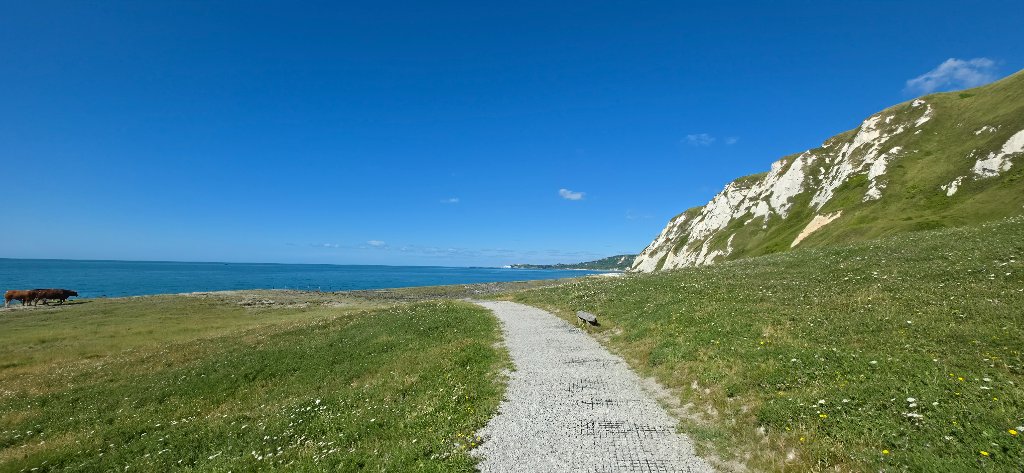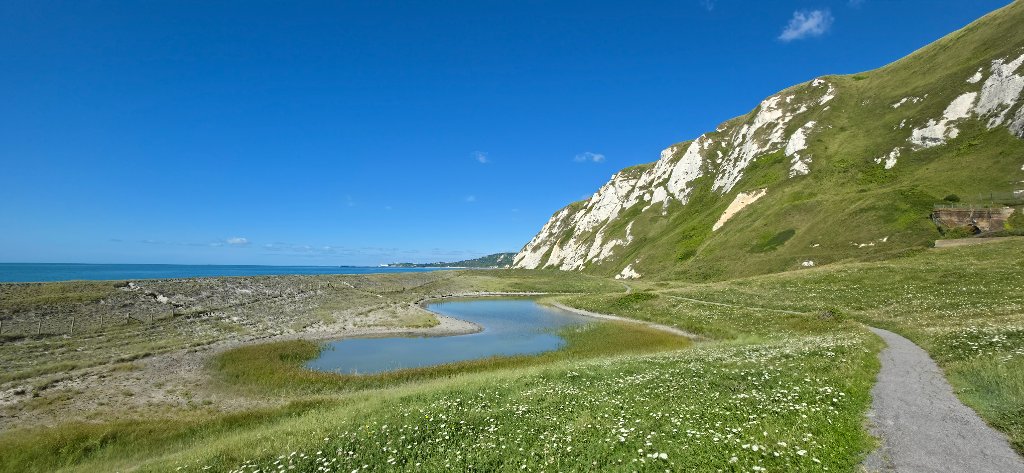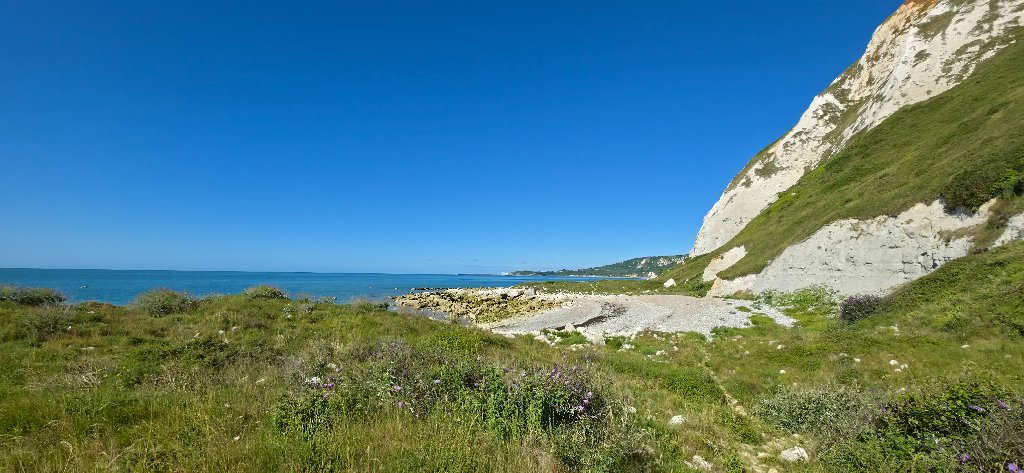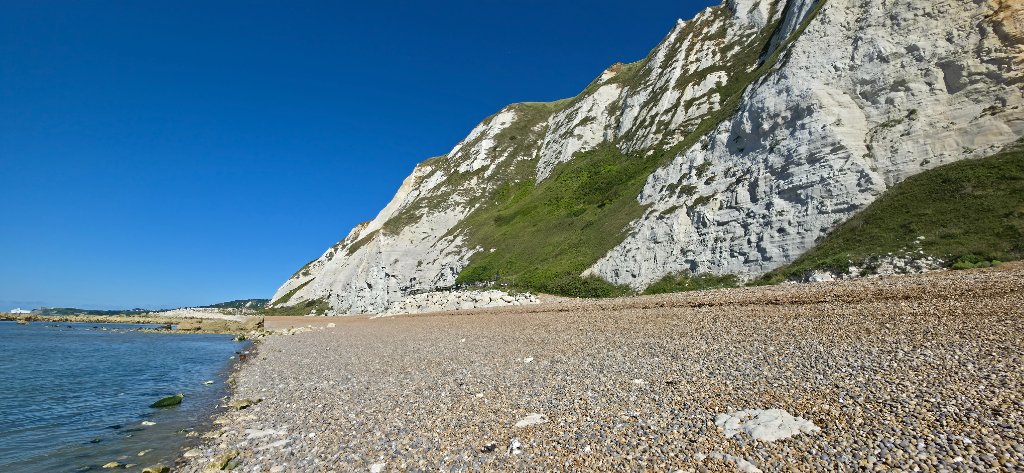
Created using approximately 4.9 million cubic metres of chalk marl excavated during the construction of the Channel Tunnel, Samphire Hoe simply didn't exist before the late 1980s. Today, this reclaimed landscape has become one of Kent's most fascinating examples of habitat creation, where wildlife has flourished on what was once considered construction spoil.
Walking around the reserve, it is difficult to imagine that this peaceful haven was born from one of Europe's greatest infrastructure projects.
The Trails
The network of well-maintained paths offers something for everyone. Gentle coastal walks follow the shoreline, while higher routes provide spectacular views across the English Channel, the White Cliffs and, on clear days, towards the French coast. Whether you're looking for a leisurely stroll, a longer circular walk or simply somewhere to sit and watch the sea, Samphire Hoe provides the perfect setting.
June Wildlife — Birds, Butterflies & Orchids
One of the greatest pleasures of visiting is never knowing what wildlife you'll encounter. During my recent June visit, the site was alive with activity.
The skies were filled with the constant movement of House Martins and Swallows, while Fulmars effortlessly glided along the cliff faces above. Peregrines patrolled the cliffs with incredible speed, Buzzards circled high overhead, and Kestrels hovered patiently over the grassland searching for prey. Ravens announced their presence with their unmistakable calls, whilst Black Redstarts, Rock Pipits, Meadow Pipits, Skylarks, Whitethroats, Stonechats, Linnets and Blackbirds all added to an impressive list of sightings. Along the shoreline, Cormorants continued their daily fishing routines, seemingly undisturbed by passing visitors.
June also brings an explosion of butterflies across the wildflower meadows. Marbled Whites floated effortlessly through the grasses, while Painted Ladies and Red Admirals added vibrant flashes of colour. Small Heaths, Large Skippers, Small Skippers and Small Whites were all enjoying the warm summer sunshine, making every walk feel different from the last.
The botanical display is equally rewarding. The chalk grassland provides ideal conditions for some beautiful wildflowers, and during June both Common Spotted Orchids and the elegant Pyramidal Orchid can be found flowering amongst the grasses — a reminder of just how valuable this relatively young habitat has become.
An Engineering Marvel Turned Conservation Success
Perhaps the greatest achievement of Samphire Hoe is not simply its biodiversity, but what it represents. In a world where we often hear about habitat loss, Samphire Hoe demonstrates that thoughtful restoration and long-term conservation can genuinely create new opportunities for wildlife. It is a powerful reminder that development and environmental stewardship do not always have to be opposing forces. With vision, careful management and patience, landscapes can evolve into places of enormous ecological value.
There is also something deeply restorative about spending time here. The sound of the waves, the sea breeze, the towering chalk cliffs and the constant movement of birds create an atmosphere that encourages you to slow down. In our increasingly busy lives, places like Samphire Hoe offer a rare opportunity to disconnect from emails, meetings and deadlines, and reconnect with something far more important. Even an hour spent walking these trails can leave you feeling calmer, clearer and mentally refreshed.
Watch: Hiking with Sophie — Samphire Hoe

Practical Information
🚗 Getting there: Access from the A20 via a controlled traffic-light junction
🅿️ Parking & facilities: Ample parking, visitor centre, toilets and information boards
♿ Accessibility: Generally level, surfaced paths suitable for wheelchairs, mobility scooters and pushchairs. Some higher viewing areas involve steeper gradients
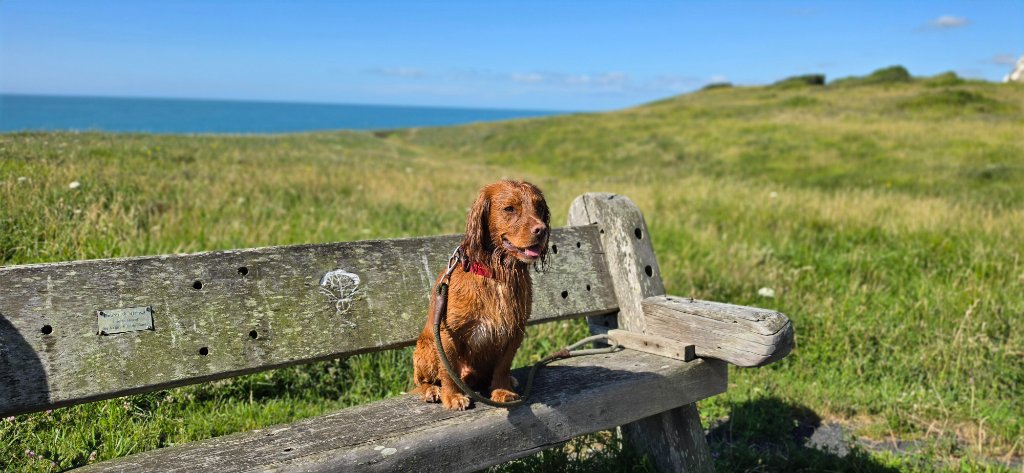
🐕 Dog friendly: Yes — Trigger approved
Whether you're a keen birder, butterfly enthusiast, botanist, photographer, walker or simply someone looking for a peaceful escape beside the sea, Samphire Hoe offers something special throughout every season. It remains one of the finest examples of how a landscape can be transformed, not only physically, but environmentally — from the spoil of the Channel Tunnel has emerged one of Kent's richest wildlife havens.