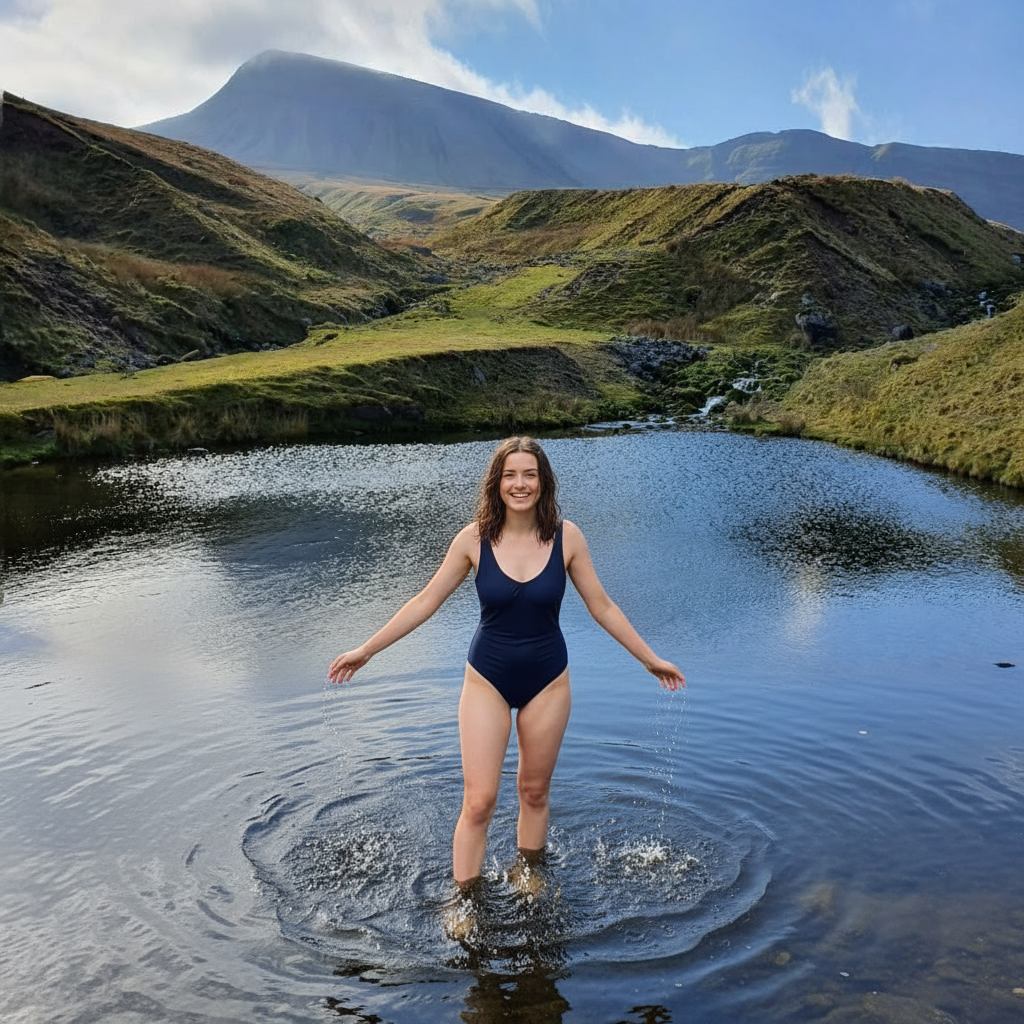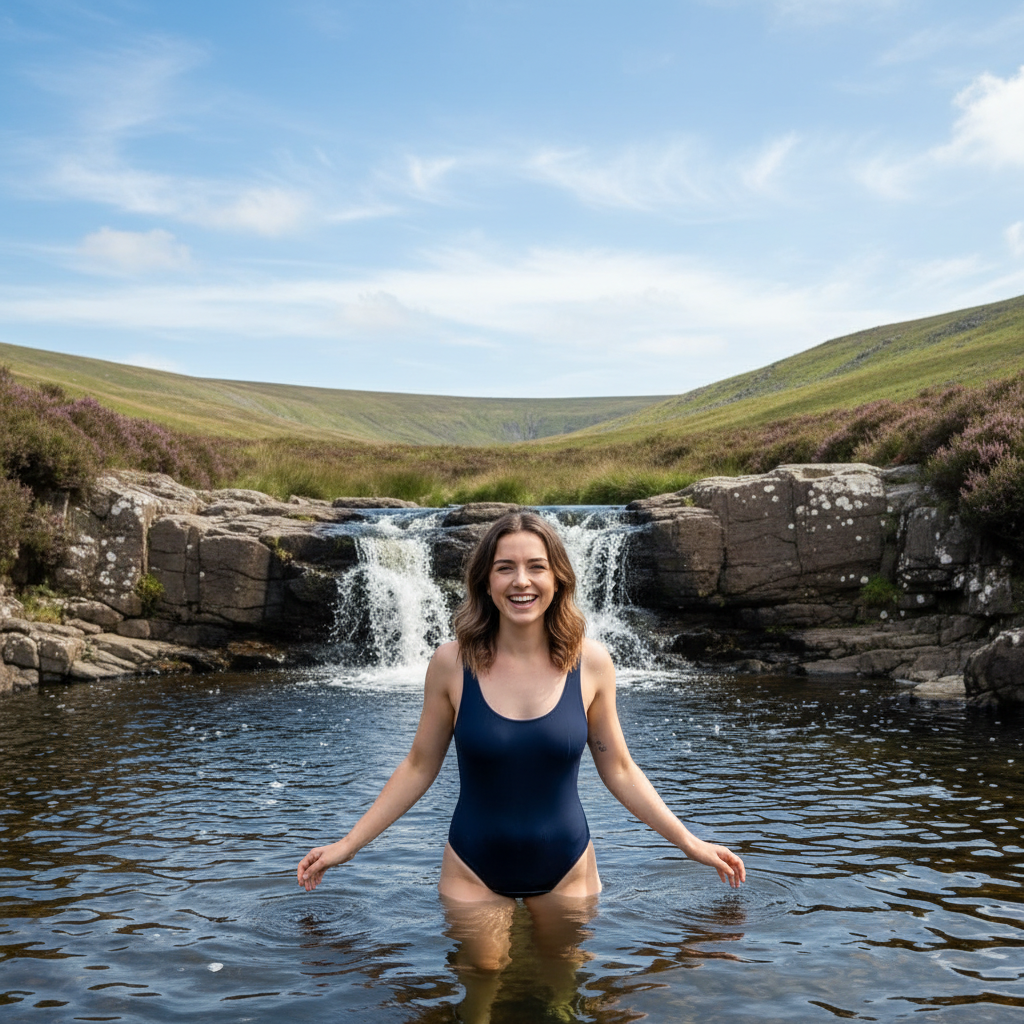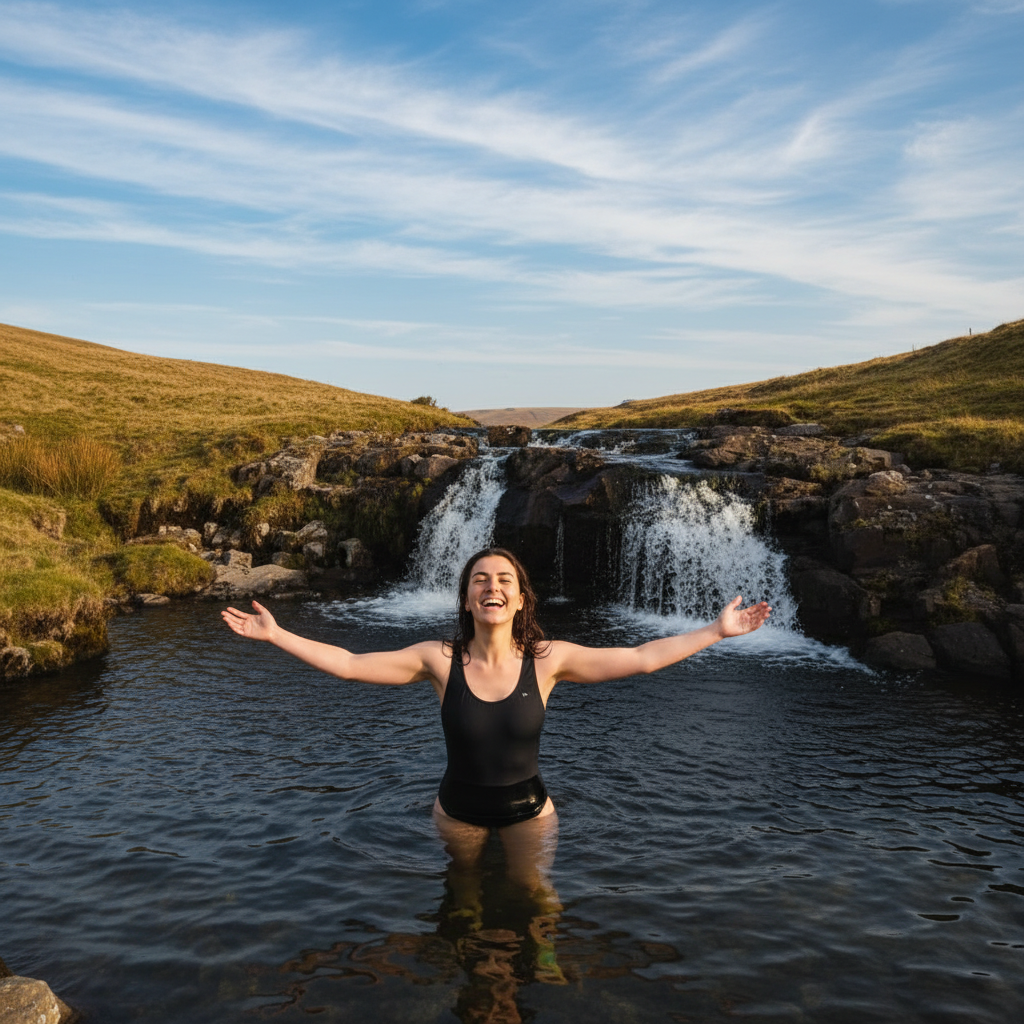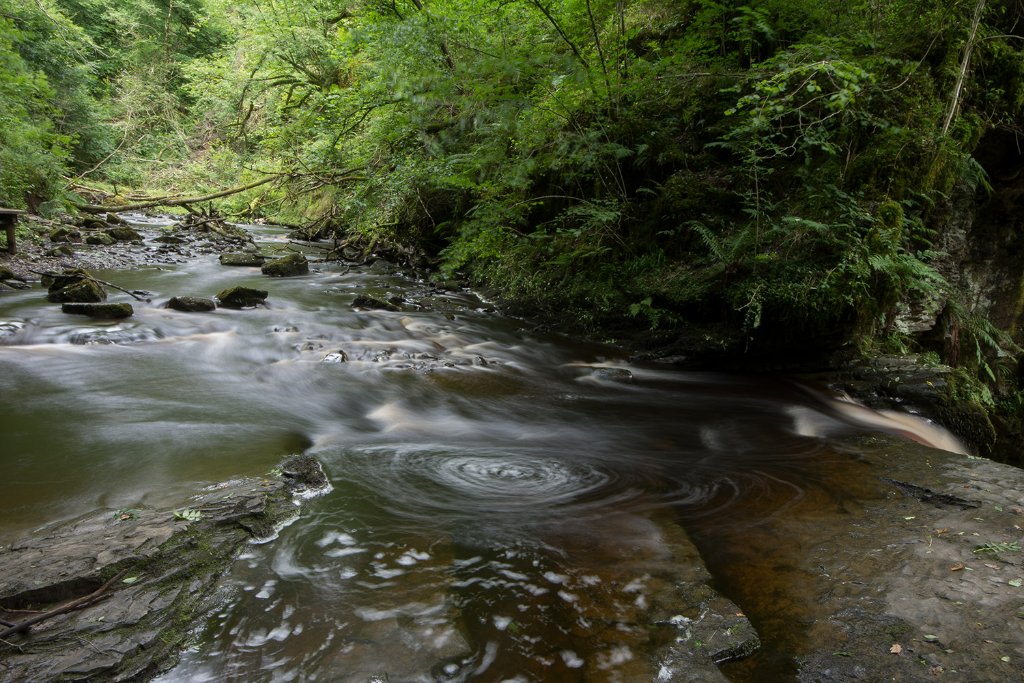
The Magic of Welsh Waters
Swimming in Wales is deeply intertwined with Celtic mythology — think the legend of the Lady of Llyn y Fan Fach, said to emerge from the lake's depths and marry a mortal farmer from Myddfai. That ancient, mythic quality permeates the landscape. The geology is rugged and dramatic, shaping everything from plunging quarry pools to expansive mountain estuaries. When you slip into a Welsh tarn at altitude, you're not just swimming — you're connecting with something far older than the footpath that brought you there.
Wild swimming has surged in popularity since the pandemic, and Wales has benefited enormously from that renewed interest in outdoor immersion. But with popularity comes responsibility — to the environment, to local communities, and most critically, to your own safety.
The Legal Reality: Know Before You Go
Unlike Scotland — which enjoys statutory access rights under the Land Reform (Scotland) Act 2003 — Wales operates on common law and specific local designations. There is no automatic statutory right to swim in non-tidal rivers or lakes in Wales. Access depends on public rights of way, navigation rights, or explicit permission from the landowner.
In practice, open access is widely supported across many public estates, national parks, and local authority managed lakes. Natural Resources Wales (NRW) manages vast swathes of forestry and land — while they don't explicitly permit swimming everywhere due to operational hazards, many natural lakes within Eryri and Bannau Brycheiniog are traditionally used without interference, provided you follow the Countryside Code and respect conservation zones.
Welsh Water operates numerous reservoirs across the country. Historically, swimming has been strictly prohibited in these due to hidden infrastructure, dangerous drop-offs, and strong underwater currents. While Dŵr Cymru has introduced supervised, designated open-water swimming hubs at locations like Llandegfedd Reservoir, always swim only in clearly designated areas. Never enter a reservoir outside of official swimming zones.
Where to Swim: Curated Locations Across Wales
The following locations represent a balanced mix of mountain lakes, coastal quarries, and river plunge pools across different Welsh regions — from accessible beginner spots to remote, experienced-swimmer-only destinations.
Llyn Padarn, Llanberis
A magnificent glaciated lake sitting at the foot of Yr Wyddfa (Mount Snowdon). Managed by Gwynedd Council, access is free at the lagoons near the Lone Tree — excellent parking, public toilets, and nearby cafes make it the perfect entry point for beginners. Water quality is consistently monitored. It's a designated Site of Special Scientific Interest (SSSI), so respect the environment and keep noise low.
Access: Free · Parking available · Facilities on site · Beginner friendly
The Blue Lagoon, Abereiddi
One of Wales' most iconic swim spots — a stunning deep-blue flooded slate quarry breached by the sea, creating a unique tidal marine pool. Framed by ruined quarry buildings and dramatic cliffs, it's famous for its extraordinary colour and the high-cliff diving platforms used in world diving championships. Managed by the National Trust.
Be aware: the water is exceptionally deep and can be very cold, with tidal fluctuations altering entry heights significantly. Not for the faint-hearted.
Access: Council parking at Abereiddi Beach · Short walk required · Experienced swimmers
Sgwd Gwladus / Lady Falls, Waterfall Country
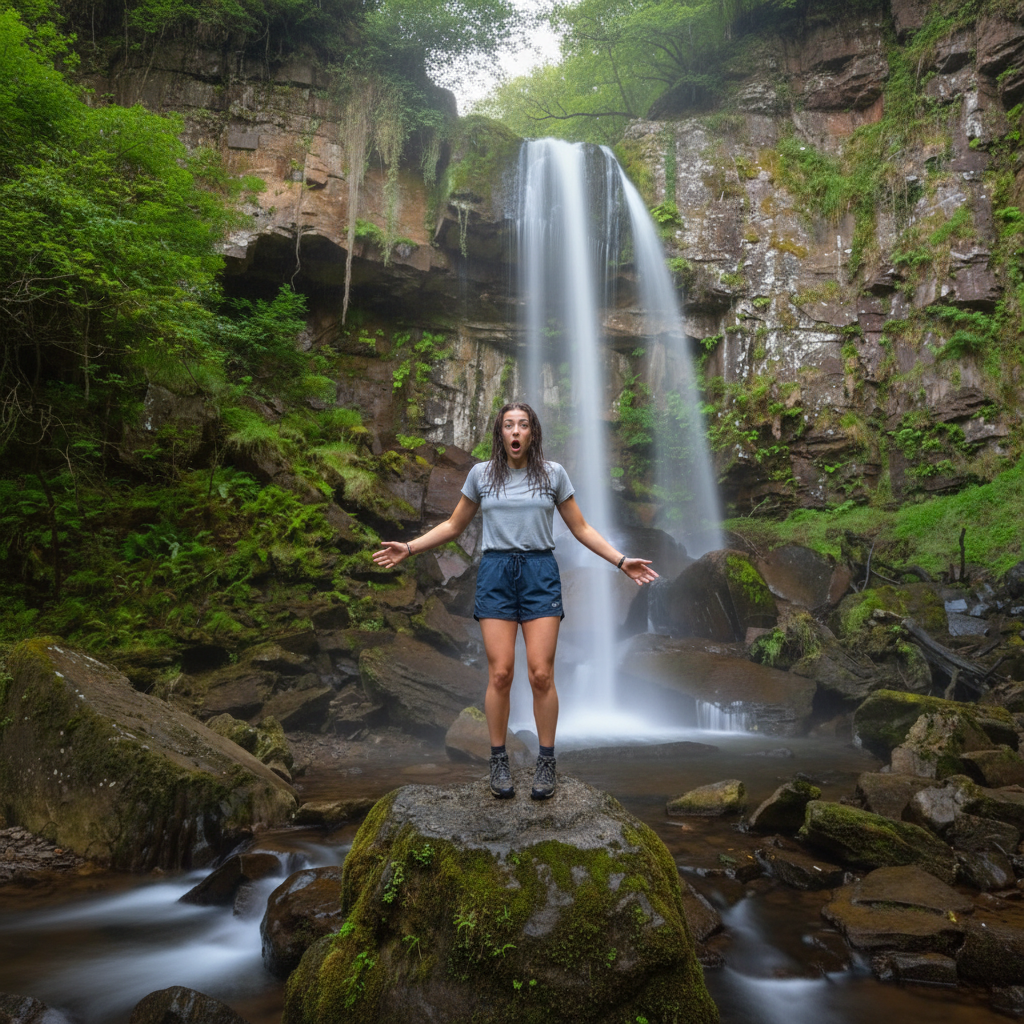
Located in the famed "Waterfall Country" near Pontneddfechan, this spot features an elegant 10-metre column of water plunging into a deep, amphitheatre-like forest basin. The real draw? You can swim directly behind the curtain of water itself. Accessed via a flat, scenic 30-minute woodland walk from the Elidir Trail entrance. No on-site facilities — pack light and hike in.
Access: Parking at Pontneddfechan · 30 min woodland walk · No facilities at pool
Llyn y Fan Fach
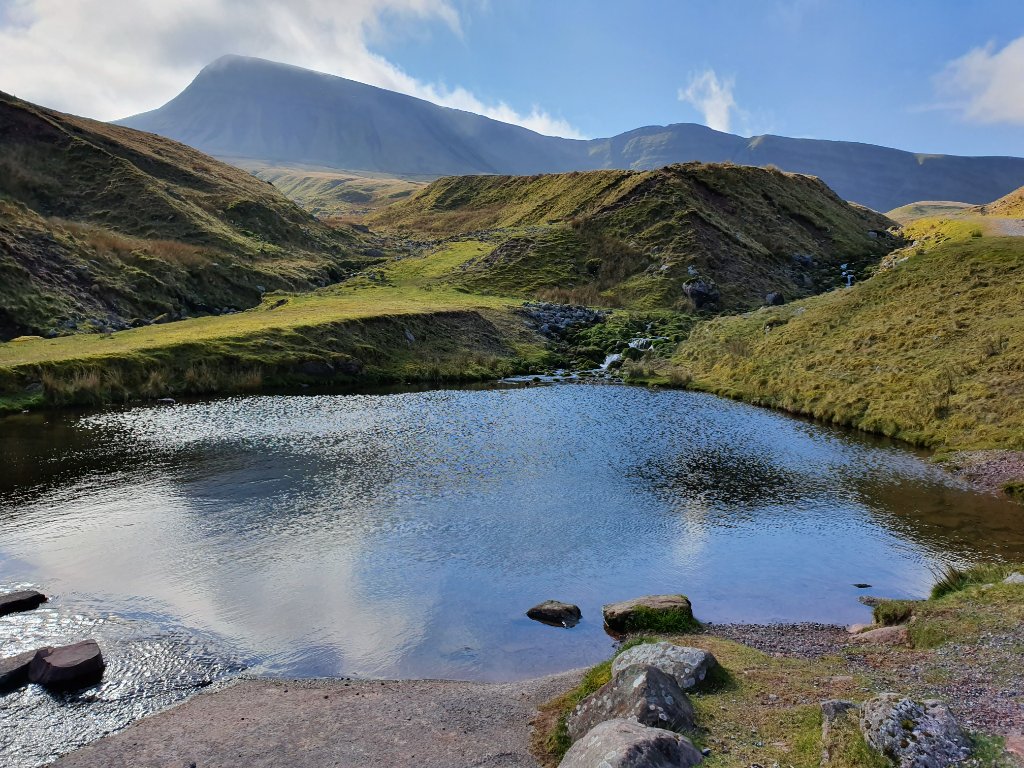
A remote, moody glacial tarn sitting beneath the dramatic red sandstone cliffs of the Black Mountain. Infused with the folklore of the Physicians of Myddfai and the legend of the Lady of the Lake, this is atmospheric, wild, and deeply rewarding. The water remains intensely cold year-round, and the high wind exposure and total lack of facilities make this one strictly for experienced wild swimmers.
Access: 30–45 min uphill hike from remote car park near Myddfai · No facilities · Experienced only
Staying Safe: Cold Water Is Serious Business
Safety is non-negotiable in Welsh waters. The landscape is stunning but unforgiving — mountain rivers rise fast, quarry pools have hidden hazards, and water temperatures can shock an unprepared body within seconds.
Cold Water Shock (CWS)
Entering water below 15°C triggers an involuntary physical response: blood vessels constrict, heart rate spikes, and a gasp reflex occurs. If you submerge your head immediately, you risk inhaling water directly into the lungs.
Never dive or plunge headfirst into Welsh waters. Enter slowly, step by step, allowing your body to adjust. If the gasp reflex hits, lean back, float on your back, and wait 60–90 seconds for your breathing to normalise before you start to swim. This single habit saves lives.
Hypothermia & the Afterdrop
Hypothermia builds progressively — swimmers often misjudge their core temperature because the skin becomes numb. Crucially, you'll feel significantly colder 10–15 minutes after getting out than you did while in the water. This is the "Afterdrop" — cool blood from your extremities returning to your core as your body rewarms. Immediate drying and layering are not optional — they're mandatory.
Environmental Hazards Specific to Wales
- Blue-Green Algae (Cyanobacteria): During warm summer months, stagnant water bodies can develop toxic algal blooms — occasionally affecting parts of Llyn Padarn. If the water looks like green pea soup or has thick surface scum, do not enter. Check local council alerts before you go.
- Submerged Hazards in Quarries: Flooded slate quarries like Abereiddi contain submerged industrial machinery, sharp slate shelves, and sudden thermal drop-offs. Diving from height is highly discouraged.
- Fast-Flowing Catchments: Welsh mountain rivers rise incredibly fast after heavy rainfall. A calm river can transform into a torrent within hours. Always check the weather across the entire catchment area before entering.
The Ultimate Kit Guide for Welsh Swimmers
| Gear Item | Type / Option | Why It Matters in Wales |
|---|---|---|
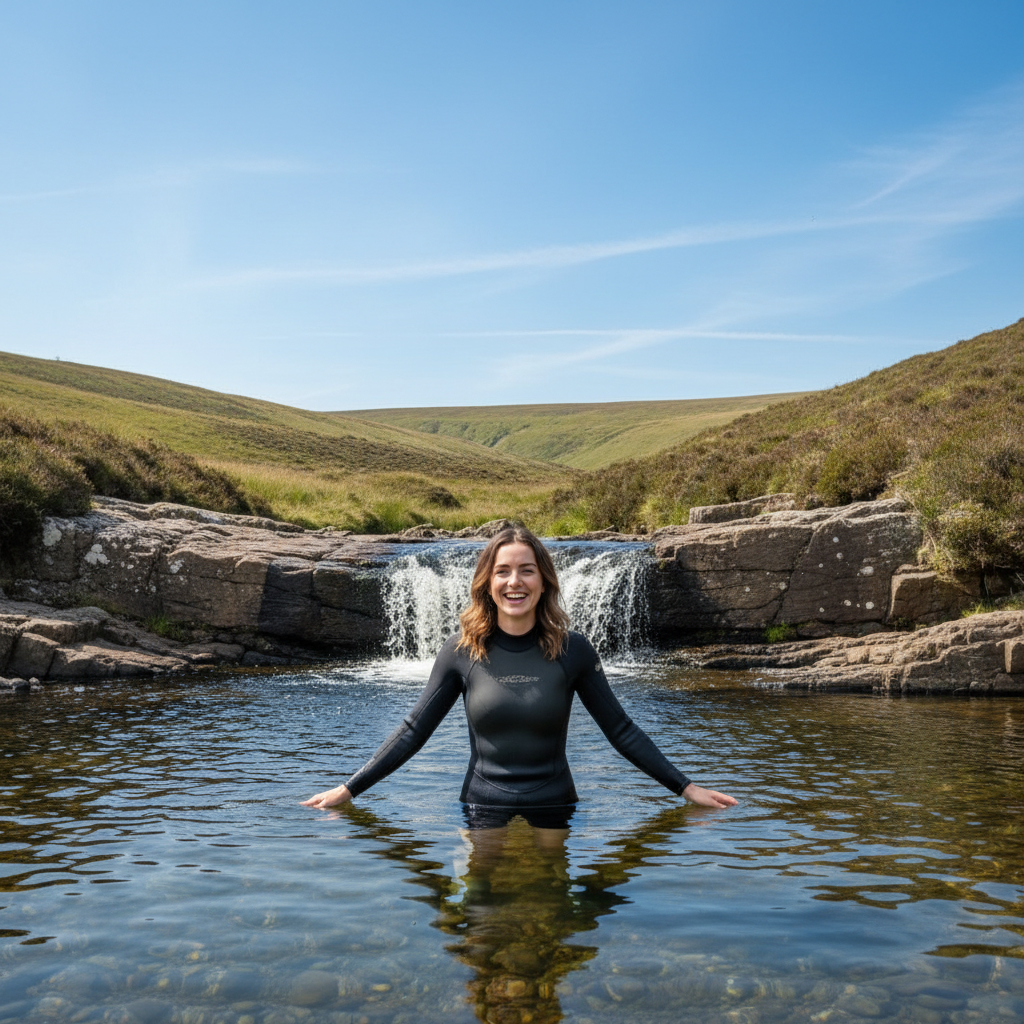
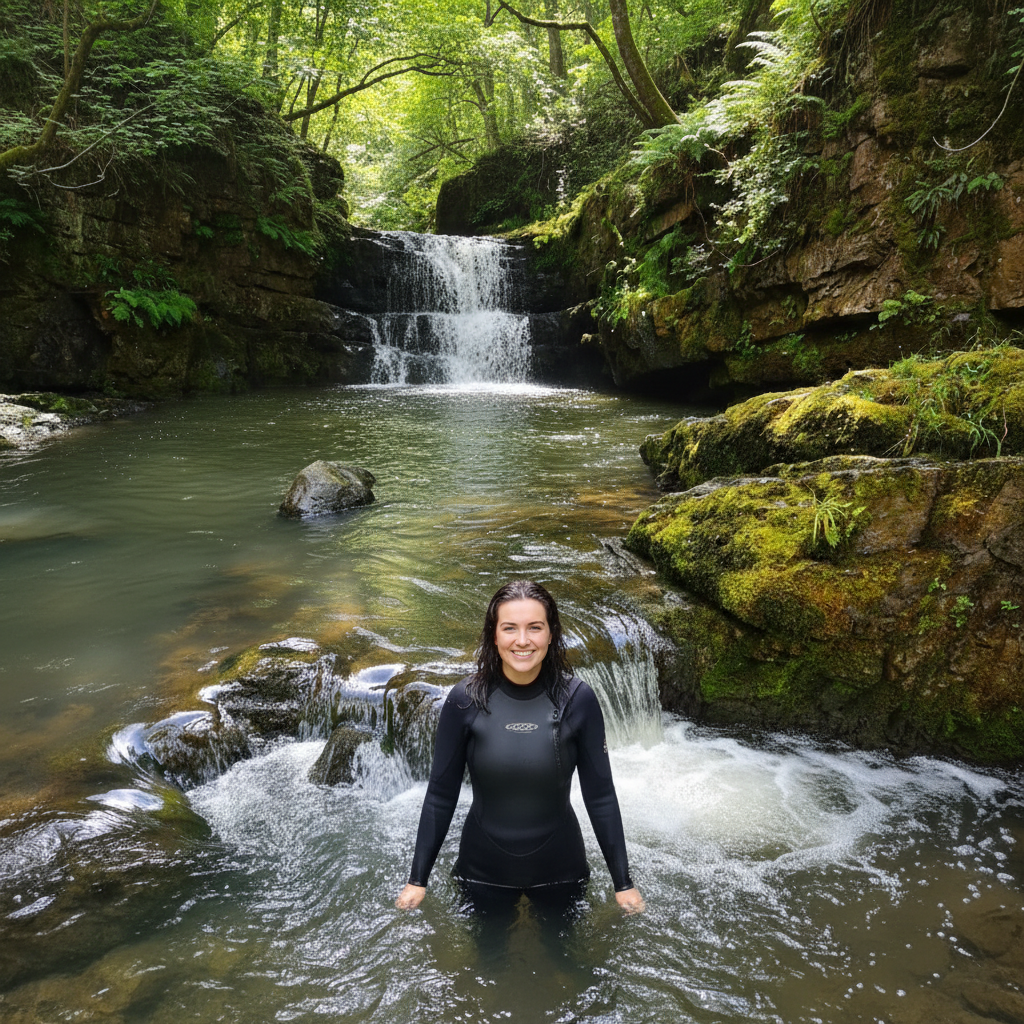
| Swimwear / Protection | Skins vs. 3–5mm Neoprene Wetsuit | Skins maximise that sensory connection. A wetsuit provides buoyancy, thermal protection, and extended swim time — highly recommended for glacial lakes like Llyn y Fan Fach. |
| Tow Float | Inflatable (Bright Orange/Pink) | Mandatory for visibility on busy lakes like Llyn Padarn where kayakers and rescue craft operate. Also acts as an emergency buoyancy aid. |
| Footwear | Neoprene Booties / Aqua Shoes | Crucial for the sharp, slippery slate beds of North Wales quarries and rocky river pool entries in Waterfall Country. Prevents nasty slips on exit. |
| Headwear | Bright Silicone Cap / Woolly Hat | A bright cap aids visibility in the water. A thick woolly hat worn immediately on exiting preserves head heat — you lose a significant amount of body warmth through your head. |
| Post-Swim Recovery | Insulated Changing Robe | Welsh weather is notoriously changeable. An oversized, windproof, waterproof insulated changing robe allows rapid changing while shielding against coastal winds or sudden mountain rain. |
Embracing the Chill: Year-Round & Winter Swimming
Winter wild swimming has experienced an extraordinary surge in popularity — and Wales is perfectly positioned to cater to it. But as Welsh inland waters plunge to between 2°C and 6°C through the coldest months, the margins for error shrink dramatically. This is the time to listen to your body, not to the bravado of social media highlight reels.
The key word is acclimatisation. Keep dipping regularly through September, October, and November without a break — your nervous system will gradually adapt to dropping temperatures if you don't let it lose its conditioning.
The idea that you can safely stay in the water for one minute per degree Celsius (e.g., 4 minutes in 4°C water) is a dangerous generalisation. Wind chill, body fat percentage, fatigue, and hormonal fluctuations mean that on any given day, a safe swim time could be less than 60 seconds. Always listen to your body over any formula.
In winter, the goal is a dip — not a distance swim. Exit the water while you still feel comfortable and warm. If you're waiting until you shiver, you've already stayed in too long.
The Winter Rewarming Sequence
Follow this precise protocol to avoid thermal shock and severe shivering cycles:
- 1 Remove wet gear instantly. Strip down immediately upon exiting — prioritise drying your torso first.
- 2 Layer up from the top down. Thermal base layer, thick woolly hat, insulated jacket or changing robe — in that order.
- 3 Consume warm fluids. A warm, sugary drink from a flask — hot chocolate or spiced tea. Avoid alcohol entirely; it dilates blood vessels and accelerates core heat loss.
- 4 Move gently. Light walking generates muscular heat. Crucially — never take a hot shower or bath immediately after a cold swim. The sudden drop in blood pressure can cause fainting or cardiac stress.
Ethical Dipping: Protecting Welsh Waters
With increased footfall at wild swimming spots comes real environmental pressure. Wales faces specific threats from invasive non-native species — the Killer Shrimp and Floating Pennywort can devastate fragile Welsh aquatic ecosystems. Crayfish Plague can wipe out rare native White-Clawed Crayfish populations found in Welsh streams. Every swimmer has a role to play.
Check
Inspect all clothing, footwear, and equipment — tow floats, wetsuits, aqua shoes — for mud, aquatic weeds, or small organisms before leaving a swim spot.
Clean
Wash everything thoroughly with clean water (ideally hot) after leaving a swim venue. Pay particular attention to seams, valves, and neoprene folds.
Dry
Dry all equipment completely for at least 48 hours before using it in a different body of water. Many invasive species survive for days in damp conditions.
Community & Parking Etiquette
Many of Wales' most spectacular spots sit within fragile rural communities. Narrow mountain passes in Eryri and single-track lanes in Pembrokeshire frequently suffer from severe congestion caused by wild swimmers and hikers. Always use designated car parks, pay local parking fees (they support community infrastructure), never block farm gates or emergency access routes, and pack out every piece of litter. Leave it better than you found it.
🎬 Watch: Wild Swimming in Wales

📷 Welsh Waters — In Photos